New NSW Code Duties: Ask to See the Control, Not Just an Induction Signature
By SkillHaus ·
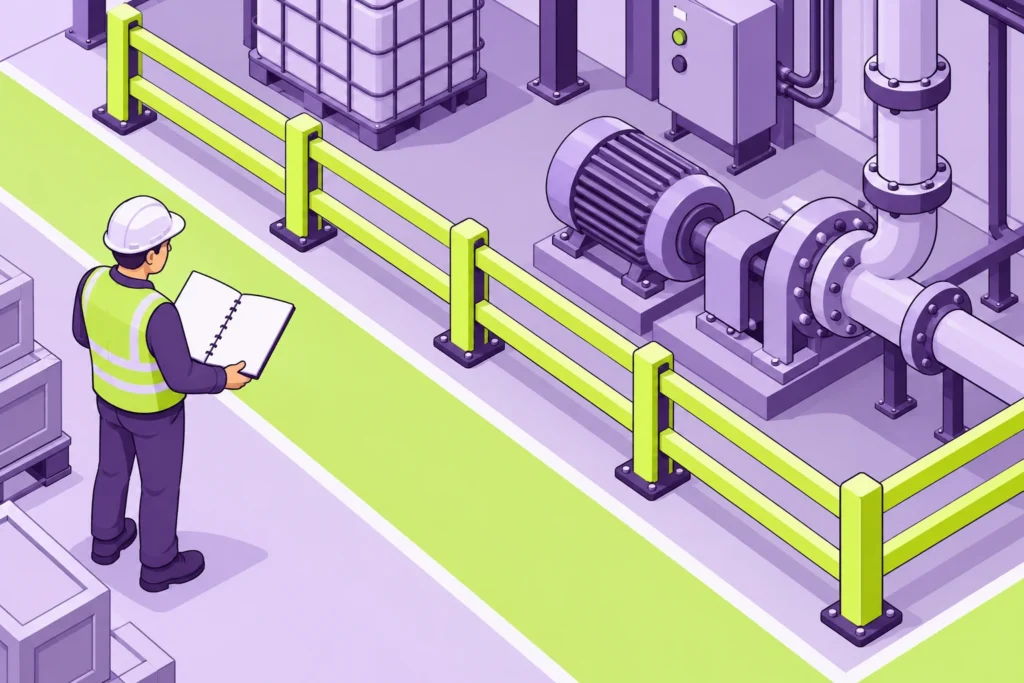

A signed induction form can show that a conversation happened. It cannot physically separate a person from moving equipment, keep a chemical contained or make an unsafe process work. NSW’s changed code-of-practice duty makes this a useful moment to ask what the actual control looks like.
This worker-focused guide is about observing and discussing controls, not turning a new starter into the business’s legal auditor.
The verified change from July 2026
SafeWork NSW says section 26A commenced on 1 July 2026. A person conducting a business or undertaking must comply with relevant approved codes of practice, or manage the hazards and risks using another method that provides an equivalent or higher health-and-safety standard. It is not a rule that every sentence in every code applies to every task. Read SafeWork’s current code guidance.
The change falls within the six months before this article’s check date. It applies in NSW. Do not assume the same statutory provision operates in Victoria, which has its own OHS framework.
Ask a question you can see answered
Instead of asking only “Have I been inducted?”, ask: “What prevents someone entering this operating area?” or “What changes before this task starts?” A useful answer connects the instruction with the physical layout, equipment, staffing or work method. If the business uses a different method from a relevant code, explaining how it protects people is its responsibility.
A clear demonstration can reveal misunderstandings before work begins. Ask to see where you should stand, how you will communicate and what happens if the planned control is unavailable. Avoid treating a coloured line, a poster or a personal promise as proof that a complete risk-control system exists.
A three-part observation note
- The task: describe what you were asked to do, without assuming the legal category.
- The hazard: describe what could expose you or someone else to harm.
- The control: record what was demonstrated and any gap you could not resolve.
This is a practical discussion aid, not a substitute for the employer’s assessment. Keep the note factual and specific. “The pedestrian gate was left open while the loader moved” is more useful than “management ignores safety”, because someone can inspect the actual condition and respond.
Use the reporting route before improvising
SafeWork’s worker-obligations guidance encourages workers to follow safety instructions, ask when unsure and report unsafe situations to a supervisor or health and safety representative. Labour hire workers can also raise concerns with their agency.
Hypothetical example: a seasonal worker is shown a procedure that relies on a barrier, but the barrier is missing when the crew arrives. They identify the difference and ask the supervisor what safe arrangement will be used before the task proceeds. Signing yesterday’s form does not answer today’s missing-control question.
For supervisors: close the loop
Explain what changed after a concern was raised and show the resulting arrangement. If the answer is only “be careful”, consider whether a more effective control is needed. Keep the explanation accessible to people who are new, tired or using English as an additional language. Ask them to describe the plan back in their own words rather than simply asking whether they understand.
When a host and labour hire provider share a workplace arrangement, decide who can change the task, who communicates the change and how the worker receives one consistent instruction. A worker should not be left carrying two contradictory messages between businesses.
What this article does not establish
A general checklist cannot determine whether a specific alternative method is equivalent to a code. Use the relevant approved code and competent advice for that assessment. For a worker, the immediate value is knowing that a signature is the beginning of an explanation, not the end of the safety conversation.
Our NSW HSR guide explains another channel for raising a work-group concern.
Official sources and next steps
For SkillHaus recruitment enquiries, contact our team. For a ruling about your pay, safety duties or visa position, use the relevant regulator or a qualified adviser.
By SkillHaus. Information checked 29 October 2026. General information, not individual legal, migration, tax or medical advice. Rules and personal circumstances can change.