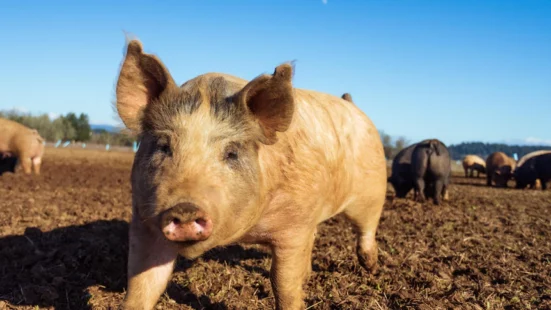
To avoid the spread of the possibly fatal Japanese encephalitis virus, pig farmers are being vaccinated, and abattoirs have intensified their spraying efforts. Five people in New South Wales have tested positive for the mosquito-borne sickness, and a 70-year-old Griffith man died from it last month. The newest confirmed case in the state — and the first for the rural city — is a 60-year-old man from Goulburn. After being treated in the hospital, he is now rehabilitating in a rehabilitation facility. The origin of his infection is being investigated, according to NSW Health.
They’ve also warned residents to “be watchful,” saying that additional cases are expected in the coming days as more people are examined. No piggery workers have tested positive for the disease yet, according to Australian Pork Limited. Humans cannot contract the disease by consuming hog flesh, but mosquitoes can transmit the virus from animals to humans. Ninety-nine percent of those who have the disease show no symptoms or have a very minor illness, and less than one percent of instances result in a potentially fatal brain infection.
The presence of underdeveloped pig foetuses is one sign of Japanese encephalitis virus (JEV) infection in livestock. Jason Bates owns a free-range pig farm near Stockinbingal, and he has identified JEV in his swine in recent weeks, as have numerous other piggeries in the Riverina. Mr. Bates suspected his pigs were infected in December, but he hoped the threat had subsided as mosquito activity decreased throughout the autumn. “Three weeks ago, we saw some unusual litters; we forwarded that on to the vet and subsequently to the Department of Primary Industries,” he said, alluding to cases where sows miscarried undeveloped embryos. “At the same time, a lot of other farms in the vicinity were seeing the same thing.
“At first, we were hampered by reproductive losses, but we’re now seeing some pretty excellent rebound.” “It’ll put a dent in what we’re doing, but we don’t simply have pigs,” says the narrator. The virus has been immunised against Mr. Bates’ family and coworkers. He stressed the need of spreading the word that Australian pork poses no food safety risks. Mr Bates explained, “We sell to specialty butcher shops in Sydney and Melbourne, as well as a local butcher.”
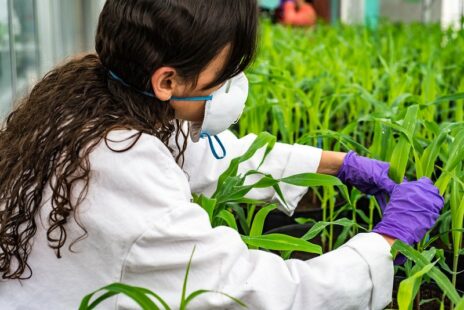
WHAT IS THE SEASONAL WORKER PROGRAMME? The Seasonal Worker Programme is an initiative that offers various employers in the agricultural world the opportunity to employ a reliable, persistent and returning workforce when the local Australian workers are not able to withstand the seasonal demands. However, this applies to selected locations throughout Australia. This Programme operates […]
Read More →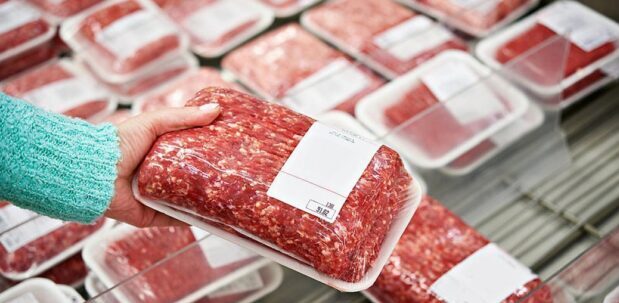
With the high price of beef, the urge to fabricate species and cuts is greater than ever, and the methods for doing so are growing more advanced. While meat fraud is uncommon in Australia, cattle farmers have a vested interest in preventing it – or even inadvertent substitution – in other countries, given that three-quarters […]
Read More →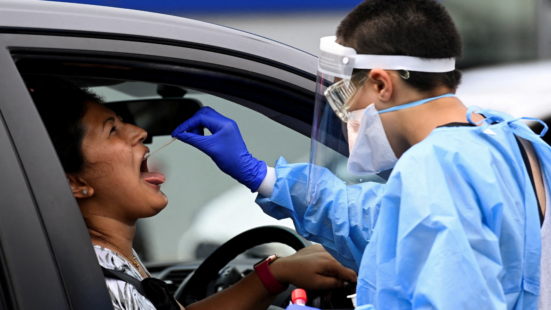
Cattle producers have praised the decision to establish a pipeline for the import of live lumpy skin virus, which will provide CSIRO with everything it requires to research and validate effective vaccinations and diagnostics. Minister for Agriculture David Littleproud stated that the importation would assist Australia in ensuring that the industry has the best possible […]
Read More →