Safety Gear That Fits: Who Supplies It and What to Do When It Fails
By SkillHaus ·
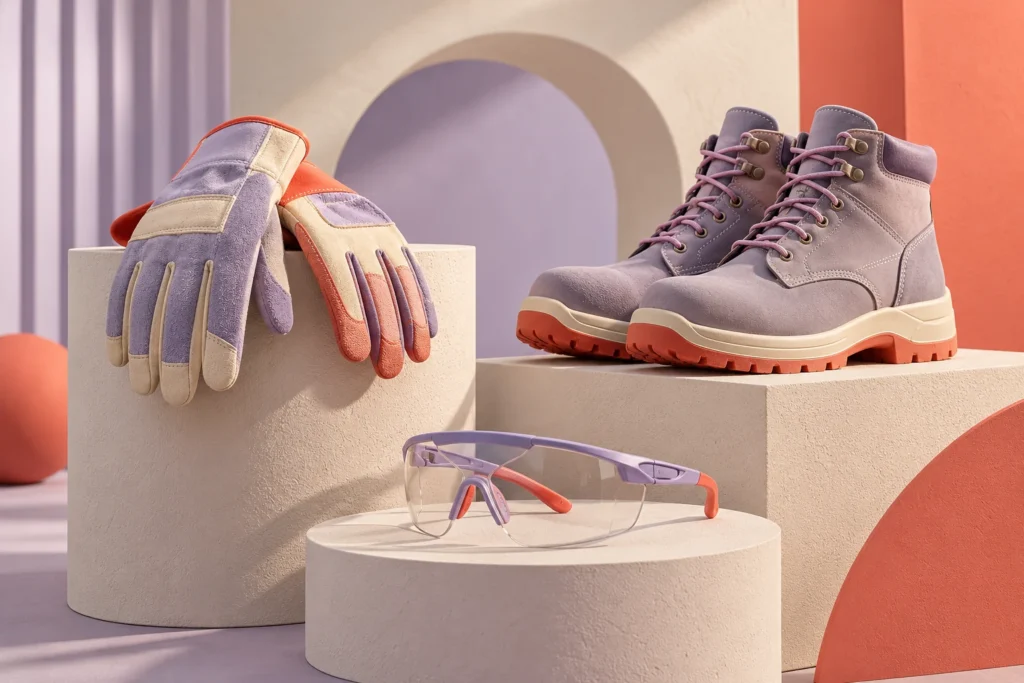
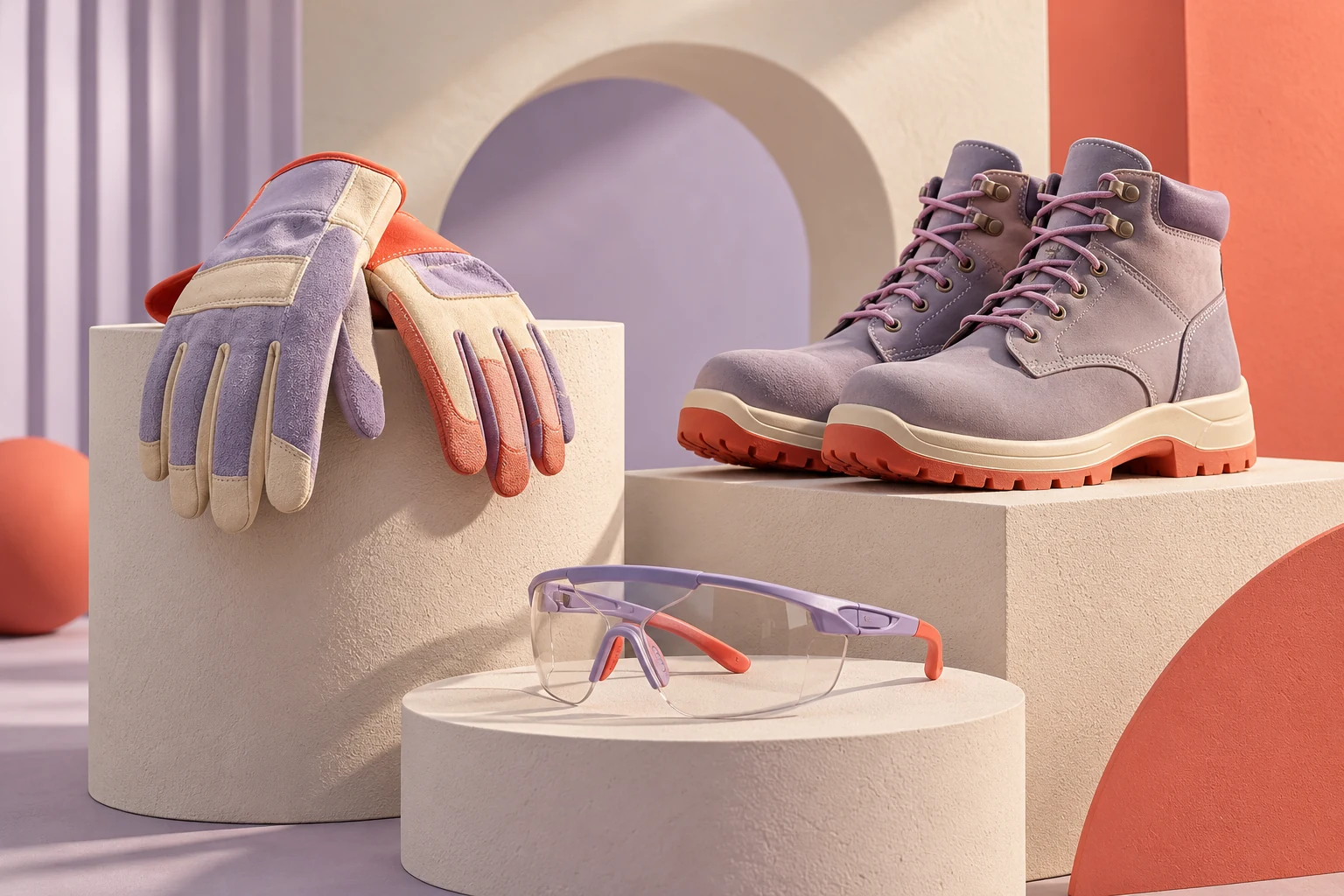
A glove that slips, eyewear that blocks vision or protection that cannot be worn with the rest of the equipment is not a minor comfort issue. If safety gear does not suit the person and the task, the workplace needs a practical answer before relying on it.
Personal protective equipment—PPE—is only one part of controlling risk. Issuing an item does not prove it fits, is suitable or will remain effective through the shift.
Start with the hazard and the task
SafeWork NSW explains that PPE must suit the work, fit the worker and be properly stored and maintained. Its guidance says employers/PCBUs must provide PPE and must not charge workers for its use. PPE is generally a less effective control than measures that remove or reduce exposure at the source. Read NSW’s PPE guidance.
That is the NSW guidance, not a claim that every clothing item in every employment arrangement has identical treatment. In Victoria, check the applicable OHS duties and employment instrument. Avoid resolving a dispute with a general statement that “workers always buy everything” or that any clothing purchase is automatically an unlawful charge.
Try the equipment in the working combination
Ask to be shown the correct use, adjustment, cleaning and storage. Where several items are worn together, check whether one interferes with another. Do not cut, tape or alter protective equipment to make it convenient unless the appropriate competent person and manufacturer guidance permit the change.
WorkSafe Victoria’s cold-storage safety guidance highlights that poor selection, fit, maintenance or compatibility can reduce PPE’s effectiveness. The principle is useful beyond a single item: assess the complete work arrangement rather than treating discomfort as the worker’s personal failure.
A clear way to report a fit problem
Describe what happens during the task: the item slips when bending, vision is obstructed or the fastening cannot be secured. Identify the size or model if known and ask who can arrange a suitable alternative. Avoid continuing a hazardous task while hoping the equipment will settle into place.
Hypothetical example: a worker finds that required eye protection moves whenever another protective item is fitted. They tell the supervisor before starting the task and ask for a compatible arrangement. The useful response checks the combination, not simply whether a pair of glasses has been issued.
Some protection needs more than a quick try-on
For tight-fitting respiratory protection, fit testing and fit checking are different processes. SafeWork NSW explains that workers must be individually fit tested for an adequate seal and carry out a fit check whenever putting on a close-fitting respirator. Read the regulator’s respiratory-protection guidance.
This article does not select a respirator, filter, glove material or other technical specification for a particular exposure. That requires the hazard assessment, relevant product information and competent selection. A generic dust mask is not a universal answer to every airborne hazard.
Plan replacement, not just first issue
- Know where to report damage or loss.
- Ask how an item is checked before use.
- Keep clean and contaminated equipment separated as instructed.
- Confirm where replacement equipment is available.
- Ask what safe work arrangement applies while a replacement is obtained.
For labour hire work, the host and provider should agree who supplies, checks and replaces the necessary protection. The worker should receive one clear answer rather than being sent between two businesses while the task waits.
Do not let PPE hide the bigger question
If a task repeatedly damages equipment or exposes workers despite correct use, review the task and higher-level controls. Better-fitting gear can be necessary without being the complete solution. Our guide to seeing the actual control provides questions for that discussion.
No new general PPE law is announced here. This is ongoing safety guidance checked on 29 October 2026, with jurisdiction-specific statements identified rather than blended into one rule.
Official sources and next steps
- SafeWork NSW: Personal protective equipment
- WorkSafe Victoria: Safe operation of cold storage facilities, PPE appendix
- SafeWork NSW: Respiratory protection and fit testing
For SkillHaus recruitment enquiries, contact our team. For a ruling about your pay, safety duties or visa position, use the relevant regulator or a qualified adviser.
By SkillHaus. Information checked 29 October 2026. General information, not individual legal, migration, tax or medical advice. Rules and personal circumstances can change.